
Peeling vegetables is the most boring part of cooking — and somehow also the part where most people nick a knuckle. If a bag of potatoes takes you twenty minutes and leaves half the potato in the peel pile, the problem is rarely your patience. It is usually your grip, your stroke, or a dull, awkward peeler. With a few small changes, you can peel faster, waste less, and keep all ten fingertips intact.
The Grip That Gives You Control
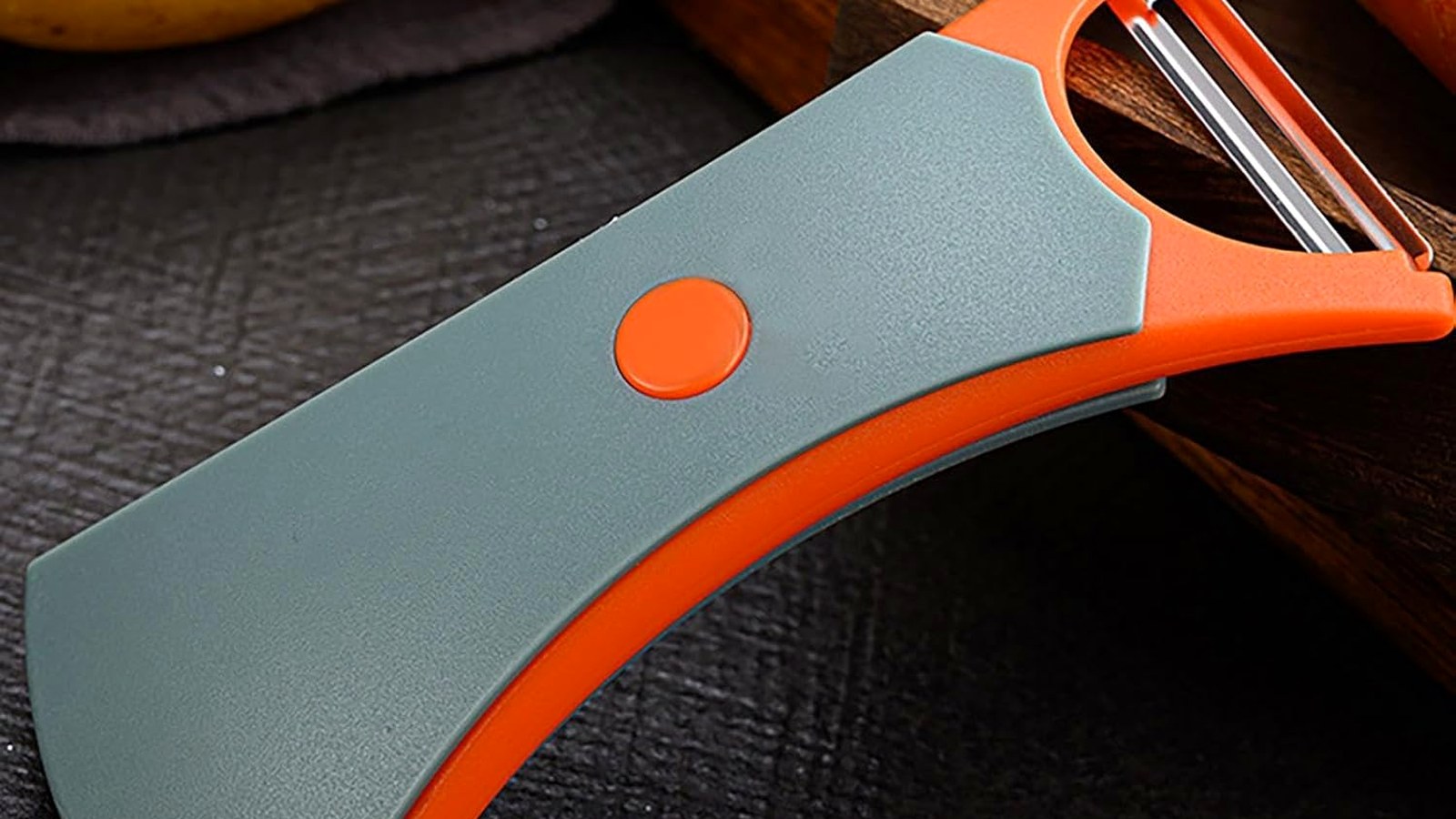
Hold the vegetable firmly in your non-dominant hand, fingers tucked away from the path of the blade. Hold the peeler like a pencil or with a relaxed fist grip — whichever lets your wrist stay straight. The most common mistake is gripping the peeler too tightly, which tires your hand and makes the blade jump. A comfortable, ergonomic handle matters more than you think: the 2-in-1 Fruit & Vegetable Peeler uses a non-slip grip designed to stay put even with wet hands, so you can relax your hold and let the blade do the work.
The Stroke: Away From You, Long and Light
Always peel away from your body, never toward yourself. Use long, smooth strokes from one end of the vegetable to the other instead of short, choppy scrapes — long strokes are faster, take off a thinner layer, and give the blade fewer chances to catch. Let the weight of the peeler and the sharpness of the blade do the cutting; pressing hard only gouges the flesh and dulls your blade faster. Rotate the vegetable a quarter turn after each stroke and keep a steady rhythm.
Peel over a bowl or a sheet of newspaper and the cleanup takes care of itself. If you are prepping a large batch, peel everything first, then wash and cut — switching tools mid-task is what eats your time.
Vegetable by Vegetable
Potatoes: Start at one end and peel in long strips toward the other, rotating as you go. For waxy potatoes you plan to roast, leaving a little skin on is fine and adds texture.
Carrots: Hold the thick end and peel from top to tip in one motion. The thin end needs only a light pass — over-peeling it wastes the sweetest part.
Apples and pears: Use a light touch and peel in a spiral. A serrated edge grips smooth, slippery skins better than a straight blade, which is why a 2-in-1 design earns its keep.
Butternut squash and beets: For thick, tough skins, a sturdy Y-peeler style grip gives more leverage, and peeling after a quick microwave softening (two to three minutes) makes the job far easier.
Choosing a Peeler That Won't Fight You
Most kitchen drawers hold a peeler that is either dull, wobbly, or sized for someone else's hand. Look for three things: a sharp stainless blade that stays sharp, a handle that fits your hand without slipping, and a blade style that matches what you peel most. The 2-in-1 peeler pairs a straight blade for everyday potatoes and carrots with a serrated blade for tomatoes, peaches, and other soft-skinned produce, so one tool covers nearly everything in the crisper drawer.
Key takeaways: Peel away from your body in long, light strokes. Keep your grip relaxed and your wrist straight. Match the blade to the produce — straight for firm vegetables, serrated for soft skins. A sharp, comfortable peeler saves more time than any technique trick.
Care and Storage
Rinse the blade right after use — dried starch dulls edges and invites rust. Dry it before it goes back in the drawer, and store it blade-down in a utensil holder or with a blade guard so it does not nick other tools (or your hand on the way in). Replace a peeler once it starts dragging or tearing instead of slicing; a dull blade is both slower and more dangerous than a sharp one.
Takeaway: Faster peeling is not about rushing. It is a relaxed grip, long strokes away from you, and a sharp tool that fits your hand. Upgrade the tool, and the twenty-minute potato bag becomes a five-minute job.