
Anyone who has stepped off a long flight knows the feeling: legs that feel heavy, restless, and strangely tired, even though you spent hours doing nothing at all. Hours of sitting in a cramped seat, with little room to stretch and dry cabin air all around, leave many travelers longing to move the moment they land. The good news is that a little planning goes a long way. With a small, packable routine — and a lightweight gel in your carry-on — you can step off the plane feeling far more comfortable.
Why long trips leave legs feeling heavy
On a long flight or road trip, your legs stay bent and still for hours. That stillness is the main culprit: without regular walking and ankle movement, your lower legs do less of the gentle pumping that normally keeps them feeling light. Add a cramped seat, shoes you cannot easily slip off, and a schedule that discourages getting up, and it is no surprise that legs feel stiff and heavy on arrival. This is a normal response to sitting still for a long time, not a sign that you did anything wrong — and it is also why the most effective travel leg care is about movement first, with skin care as a welcome second step.
Pack it right: a 30g gel earns its place
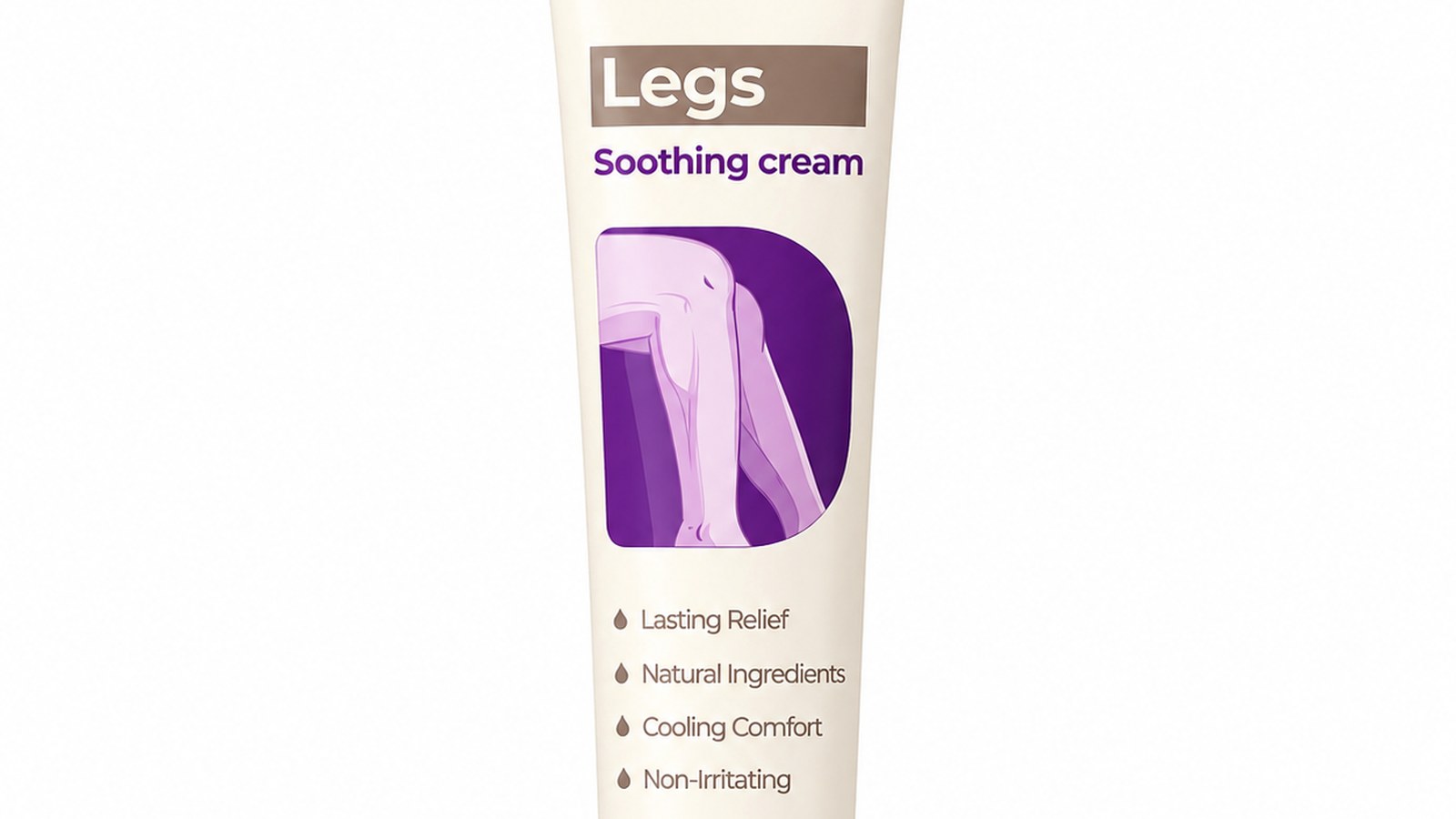
Carry-on space is precious, so everything in your liquids bag has to justify itself. A 30g tube is well within airline liquid limits and small enough to tuck into a jacket pocket or the front of your personal item. The Legs Soothing Gel is designed to feel lightweight and absorb easily, without a sticky residue — exactly what you want when you cannot shower for hours and do not want to feel coated. Pack it where you can reach it without digging through your bag at 35,000 feet, and keep the cap secure in a small zip pouch so it cannot leak onto your passport or headphones.
For road trips, the same logic applies: keep the tube in your day bag, not buried in the trunk. You want it within reach at rest stops, not as a reward you only get after unpacking at the hotel.
Packing checklist for happier travel legs: comfortable slip-on shoes, compression-free loose clothing around the knees, a water bottle you actually refill, and a small tube of lightweight leg gel in your personal item — not your checked bag.
During the trip: small moves, big difference
Move your ankles. Every 30 minutes or so, circle your ankles slowly in both directions and flex your feet up and down a dozen times. It is discreet, it takes a minute, and it keeps your lower legs from staying completely still.
Walk when you can. On a flight, a short walk to the galley and back counts. On a road trip, stop every couple of hours and walk around the rest area, even briefly. These short walks are the single most useful thing you can do for travel legs.
Drink water. Cabin air is dry, and dehydration can make you feel sluggish overall. Keep sipping water through the trip rather than trying to catch up at the end.
Apply gel at a natural pause. If your legs feel dry or uncomfortable mid-trip, a small amount of gel massaged gently over the skin can feel cooling and refreshing. Apply it when you have a calm moment — after a walk down the aisle, or at a rest stop — rather than in the middle of a meal service or a bumpy stretch.
After you land: a five-minute arrival routine
Once you reach your hotel or home, give your legs a proper reset. First, walk for five to ten minutes — around the block, down the hotel corridor, anywhere that lets you move freely. Then, if you like, take a warm shower and apply a little more gel to clean, dry skin, massaging gently upward. Finally, lie down for a few minutes with your legs elevated on a pillow. This short sequence — walk, wash, soothe, elevate — is simple, but travelers who do it consistently tend to feel ready for the evening instead of flattened by the journey.
On multi-day trips, repeat the same routine each evening. Your legs will thank you on day three just as much as on day one, especially if the trip involves more flights, long drives, or days of sightseeing on foot.
What a leg gel can — and cannot — do
A soothing gel is designed to make skin feel cool, moisturized, and comfortable. It is not a treatment for any medical condition, and it does not replace movement, hydration, or rest. If you notice swelling, pain, or anything that worries you during or after travel, seek medical advice promptly rather than trying to manage it with skin care alone. Used with realistic expectations, though, a lightweight gel is a pleasant, practical part of a travel kit: it helps your legs feel cared for after hours of sitting, and it turns a rushed arrival into a small ritual of recovery.
Takeaway: travel legs feel better when you plan for them. Move a little, drink water, walk when you can, and keep a small tube of fast-absorbing leg gel in your carry-on — so arrival feels like the start of the trip, not the recovery from it.
This is a self-care product, not a medical treatment. Consult a healthcare professional for medical advice.