
Fall is soup season: the first cool evenings, a pot on the stove, and a pile of potatoes, carrots, parsnips, and squash waiting on the counter. It is the coziest kind of cooking — until you realize how much peeling stands between you and dinner. Peeling a whole pot of vegetables with a dull knife is slow, wasteful, and, for many home cooks, the part most likely to end in a nicked finger. A good peeler changes that completely. With the right tool, a mountain of vegetables becomes a ten-minute job, and soup night stays relaxing.
Why peeling slows soup night down
Soup recipes are forgiving about almost everything — except prep time. A potato soup might need six potatoes, a carrot soup a full bag of carrots, and a fall harvest stew a little of everything. Peel those one by one with a paring knife, and you can easily spend longer prepping than cooking. Knives also tend to take off more than just the skin, wasting good vegetable, and they demand constant attention to keep fingers safe. That is a lot of effort for a step that should be the easiest part of the recipe.
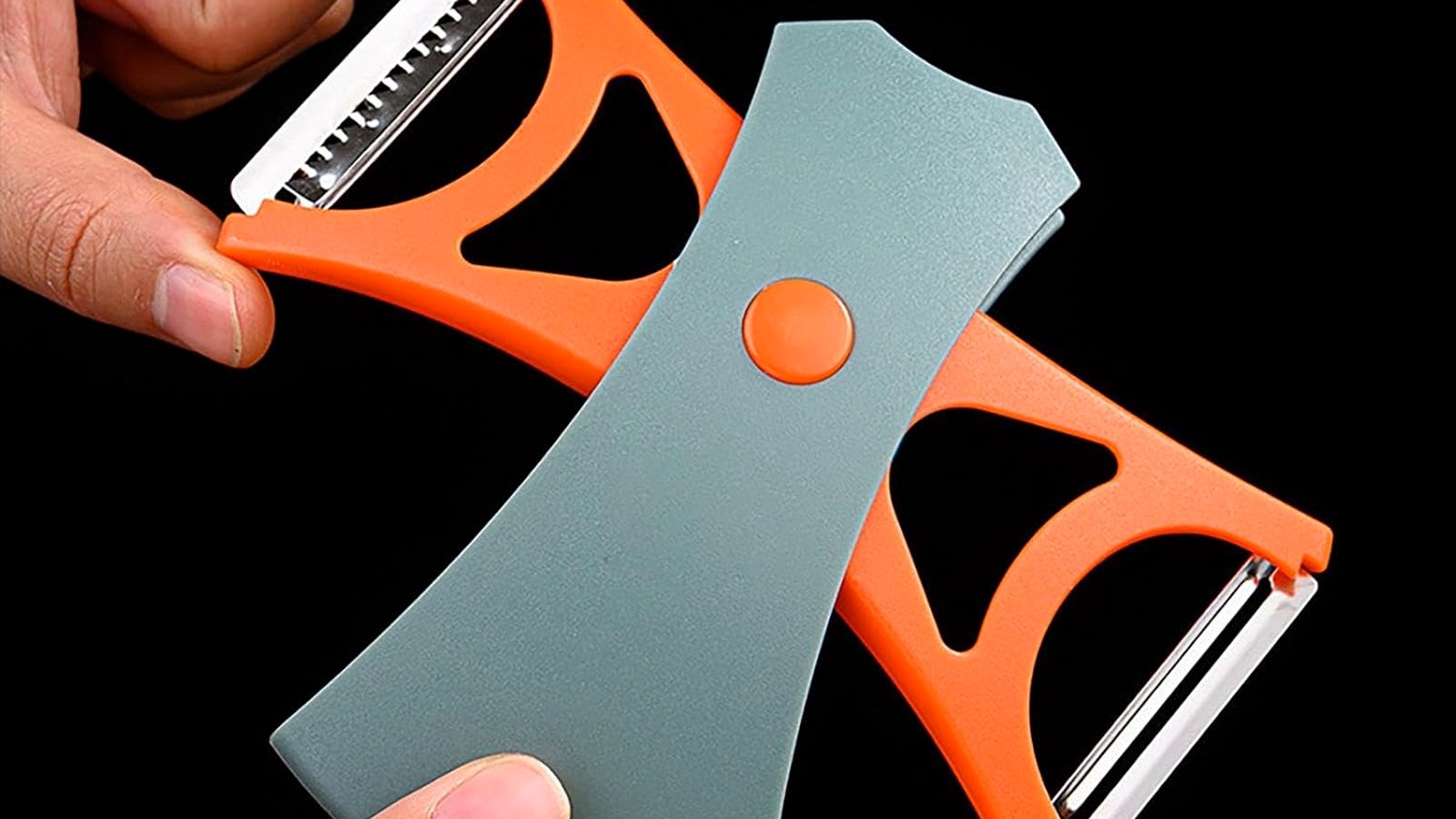
A dedicated peeler solves all three problems at once: it removes only a thin layer of skin, it works with a quick, repeated stroke, and it keeps the blade at a safe distance from your fingers. The 2-in-1 Fruit & Vegetable Peeler goes one step further. It combines two blades in one tool — a straight blade for smooth-skinned vegetables like potatoes and carrots, and a serrated blade for softer produce like tomatoes and peaches — so one gadget covers nearly everything in a fall soup pot.
The key idea: the right peeler is not about speed for its own sake — it is about making soup night feel easy enough to repeat. When prep takes ten minutes instead of thirty, a homemade soup stops being a weekend project and becomes a weeknight habit.
How to peel faster (and safer) for soup
Start with washed, dry vegetables. Rinse off any dirt first, then pat the vegetables dry or let them air for a minute. A dry surface gives you a steadier grip, which matters more than speed when you are peeling a pile of produce.
Peel away from your body. Hold the vegetable firmly in one hand and stroke the peeler away from yourself in long, even passes. Let the blade do the work — pressing hard actually slows you down and digs into the flesh. Long strokes are faster than short, choppy ones, and they waste less.
Pick the right blade for the job. Use the straight blade for potatoes, carrots, parsnips, and butternut squash — anything with firm, smooth skin. Switch to the serrated blade for tomatoes, ripe peaches, or kiwis, where a straight blade tends to slip. Matching the blade to the produce is the single easiest way to peel faster with less waste.
Peel over a bowl or the compost bin. Peeling directly over a bowl catches the skins in one place and keeps your counter clean. When the bowl is full, the skins go straight to compost — no sweeping up peels from the floor afterward.
Use the ergonomic grip. The non-slip handle on this peeler is designed to stay comfortable even when your hands are damp from washing vegetables. A grip that does not tire your hand out matters when you are working through a whole bag of carrots, and it is one of the reasons a peeler beats a knife for big soup batches.
Fall vegetables, and which blade to reach for
Potatoes and sweet potatoes: straight blade, long strokes, working from one end to the other. For soup, you do not need a perfect peel — a few small patches of skin are fine and add texture.
Carrots and parsnips: straight blade again, with light pressure. Thin carrots peel in just a few passes; thicker ones may need a second pass on the flat sides.
Butternut squash: straight blade, but take your time — squash skin is tough, and a firm grip matters more here than speed. Peel before halving and seeding, when the squash is easiest to hold.
Tomatoes for tomato soup: serrated blade. It grips the soft skin instead of sliding across it, so you can peel fresh tomatoes without blanching them first — a real time-saver on tomato soup night.
Keeping your peeler in good shape
A peeler is a simple tool, but a little care keeps it sharp. Rinse it right after use so starchy residue does not dry onto the blade, dry it before putting it away, and store it where the blade is protected — loose in a drawer with other utensils will dull it faster. If the blade starts dragging or tearing instead of gliding, it is time for a replacement; a dull peeler is slower and, ironically, more likely to slip. With basic care, one good peeler can carry you through many seasons of soup.
Takeaway: soup season should be about the simmering pot, not the prep pile. Wash, grip, peel away from yourself, and match the blade to the vegetable — with a sharp 2-in-1 peeler, a whole pot of fall vegetables is ready in minutes, and dinner is back to being the relaxing part of the evening.