
We've all been there: your alarm goes off, you have ten minutes to get out the door, and your hair is flat, oily at the roots, and clearly not fresh. Washing and blow-drying simply isn't an option. That's exactly the moment dry shampoo was invented for — but only if you know how to use it properly.
Most people who say "dry shampoo doesn't work for me" are actually just applying it wrong: spraying too close, skipping the wait time, or using it as a substitute for real washing for days on end. Used the right way, dry shampoo can refresh second-day (even third-day) hair in under five minutes, add noticeable volume at the roots, and leave your hair smelling clean and fresh. Here's how to get it right.
What Dry Shampoo Actually Does
Dry shampoo is a spray (usually based on starch or fine mineral powders) that absorbs excess oil and sebum at your roots. When you spray it onto oily hair, the powder particles soak up the oil, and when you massage and brush it out, the oil goes with it. The result: roots that look and feel cleaner, more volume, and a fresher scent.
What it doesn't do: actually clean your hair. It can't remove product buildup, sweat residue, or dirt the way water and surfactants can. Think of it as a refresh between washes — not a replacement for them. Most hairstylists recommend not going more than two days in a row without a real wash.
Step-by-Step: How to Apply Dry Shampoo Correctly
1. Shake the can well. The absorbing powders settle at the bottom. Shake for 10–15 seconds so the formula comes out evenly instead of in clumps.
2. Lift sections and spray the roots from 6–8 inches away. This is the step most people get wrong. Hold the can 15–20 cm from your head and spray in short bursts directly onto oily roots, working in sections. Spraying too close concentrates the powder in one spot and causes the dreaded white residue.
3. Let it sit for 1–2 minutes. The powder needs time to absorb the oil. Spray, then do something else for a minute — brush your teeth, pick your shoes. Rushing this step is why many people end up with chalky-looking hair.
4. Massage it in with your fingertips. Use your fingertips (not nails) to work the powder into your roots with a gentle massaging motion, like you're shampooing dry hair. This distributes the product evenly and activates the oil-absorbing effect.
5. Brush through thoroughly. A boar-bristle or paddle brush removes excess powder and distributes your natural oils down the hair shaft, which also adds shine to the mid-lengths and ends.
Common Dry Shampoo Mistakes to Avoid
Mistake #1: Spraying the lengths and ends. Dry shampoo is for roots only. Spraying it down the hair shaft dries out your ends and makes hair look dull.
Mistake #2: Using it on soaking-wet or very sweaty hair. It works best on dry, slightly oily hair. After a heavy workout, the excess moisture needs to evaporate first (or do a quick rinse) before dry shampoo can do its job.
Mistake #3: Layering it for days without washing. Product buildup on the scalp can clog follicles and cause itchiness or flakes. If you've used dry shampoo two days running, it's time for a real wash.
Mistake #4: Choosing a formula that leaves white cast. Older formulas were notorious for white residue, especially on dark hair. An invisible dry shampoo spray is designed to go on clear, so there's no ashy cast to brush out — which also makes application much more forgiving for beginners.
When Dry Shampoo Is a Lifesaver
Beyond the rushed morning, dry shampoo earns its place in a few specific scenarios. After the gym, when you don't have time for a full wash before work. While traveling, when hotel water pressure is questionable and your schedule is packed. Postpartum or during illness, when even a shower feels like a project. And for fine, flat hair, a light root application before styling adds grip and volume that makes updos and curls hold longer.
It's also a smart styling product in its own right: many people use it on clean hair purely for the texture and volume boost, similar to a texturizing spray.
How to Choose a Good Dry Shampoo
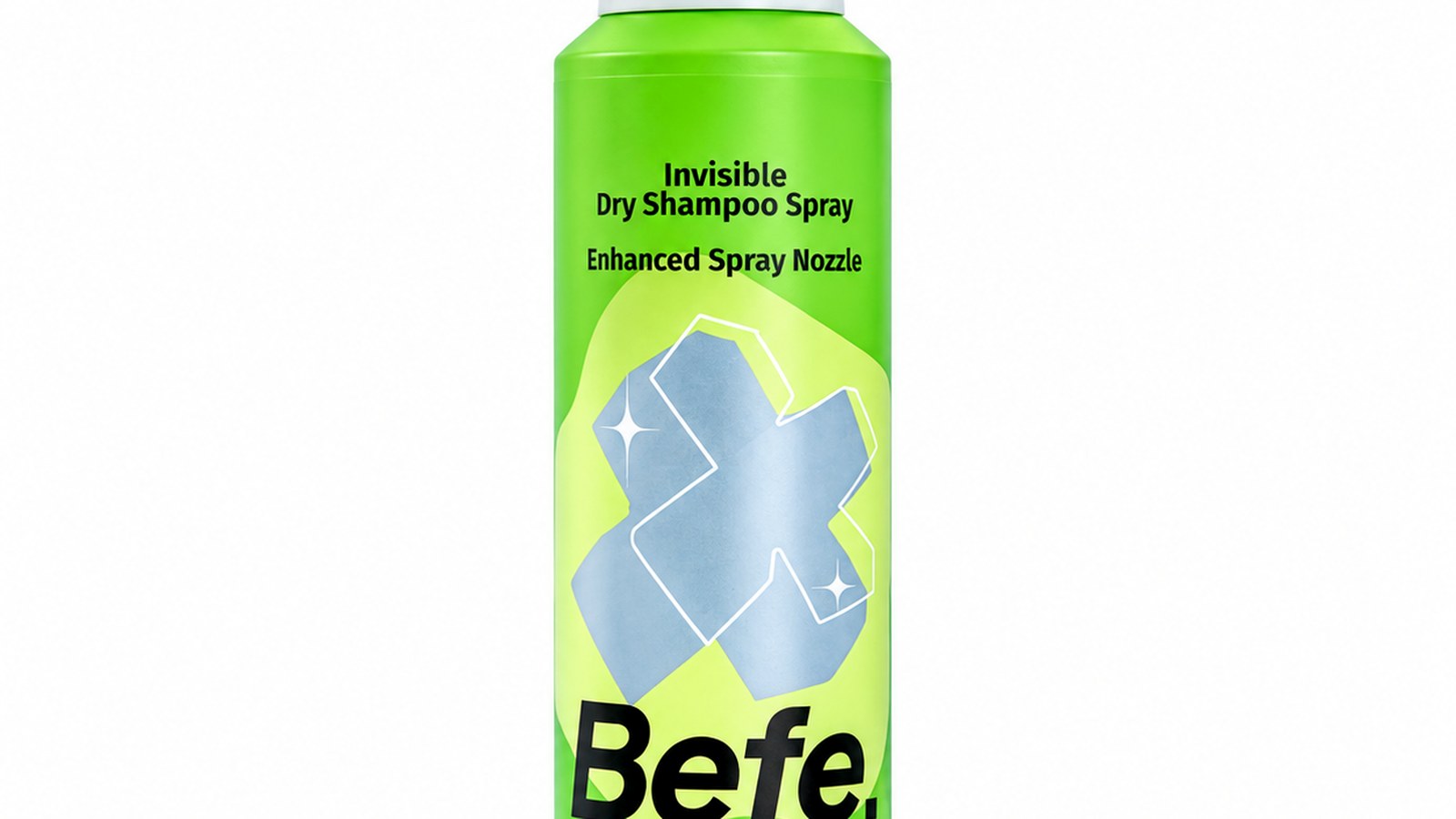
Look for a fine, even mist (a good nozzle matters more than you'd think — it prevents concentrated white patches), a formula that sprays clear or blends invisibly, and a scent you actually enjoy since it sits close to your face all day. A citrus-fresh scent, like the green field citrus in Befe's invisible dry shampoo, reads clean without smelling like perfume.
Size matters too: a 200ml can lasts most people several weeks of regular use, making it one of the cheapest hair-refresh options per use.